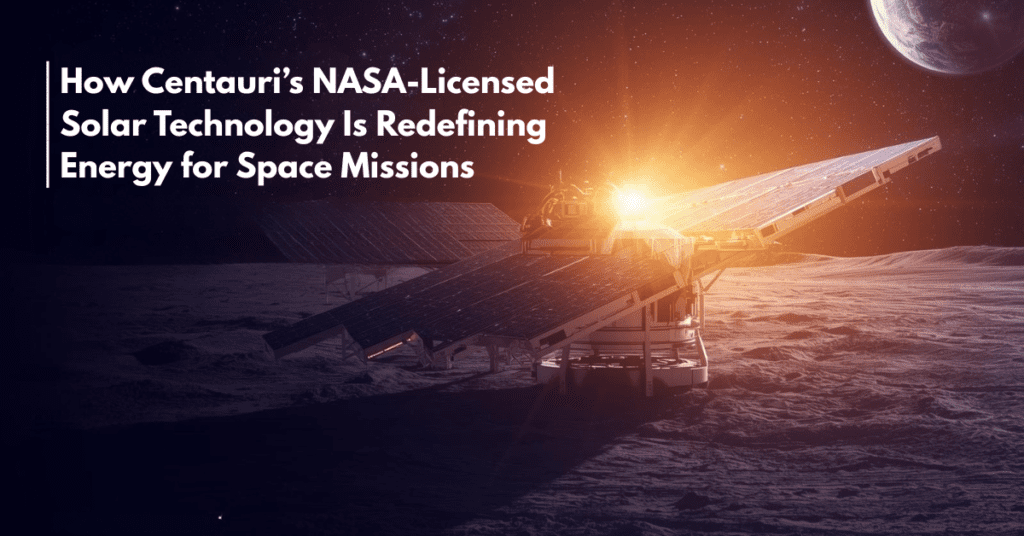
Space exploration is entering a new era, one where sustainable, reliable, and high-performance energy systems are no longer optional, but essential. As missions extend deeper into space and last longer than ever before, traditional power sources are reaching their limits. This is where NASA Space Solar Technology Centauri emerges as a transformative force, redefining how energy is generated, stored, and deployed for space missions.
By combining NASA-inspired solar innovations with advanced engineering, Centauri is helping shape the future of space-based energy systems designed for extreme environments, long durations, and unprecedented exploration goals.
The Growing Energy Challenge in Space Missions
Modern space missions face complex power demands. Satellites, space stations, lunar habitats, Mars exploration units, and deep-space probes all require:
- Continuous energy supply
- High efficiency in a limited space
- Resistance to radiation and temperature extremes
- Minimal maintenance over long periods
Conventional solar panels, while effective in Earth orbit, struggle in harsh space environments. Reduced sunlight, dust accumulation, radiation exposure, and mechanical stress create performance challenges. This is why advanced space solar power technology has become a top priority for aerospace innovation.
What’s Centauri’s NASA licensed solar space technology?
NASA Space Solar Technology Centauri refers to next-generation solar power systems developed using NASA-researched technologies and applied by Centauri to create robust, high-efficiency energy solutions for space applications.
Centauri’s approach integrates NASA-licensed solar innovations with modern materials science, energy storage advancements, and space-ready system designs. The result is solar technology capable of operating reliably in conditions where traditional systems fail.
Why NASA-Inspired Solar Technology Matters
NASA designs solar technology for space, where conditions are extreme, and repairs are impossible. Unlike regular solar panels used on Earth, space solar systems must survive intense radiation, drastic temperature changes, and years of nonstop operation. That’s why NASA’s solar research focuses on durability, efficiency, and long-term reliability.
These technologies are built to resist radiation damage, generate more power from limited surface areas, and remain lightweight for easier launches. They are also designed to work for many years without maintenance, something essential for satellites, space stations, and deep-space missions.
When these technologies are adapted by companies like Centauri, they become commercially scalable while maintaining mission-grade reliability. This bridge between research and application is what makes NASA Space Solar Technology Centauri uniquely impactful.
Redefining Energy for Satellites and Spacecraft
One of the most practical uses of NASA Space Solar Technology is in powering modern satellites and spacecraft. Today’s satellites depend on a steady energy supply to operate communication networks, monitor Earth, support navigation systems, and handle security and defense tasks.
Solar arrays developed using NASA-inspired technology allow satellites to produce more power while using less space. This means lighter systems, better control in orbit, and longer mission lifespans. By improving efficiency and reliability, this technology helps satellites stay operational for years, even in demanding space conditions.
Powering Lunar and Mars Missions
As space agencies and private companies prepare for long-term lunar bases and Mars exploration, energy reliability becomes mission-critical. Dust storms, extended nights, and extreme temperatures make energy generation especially challenging. NASA Space Solar Technology helps address these issues by supporting:
- High-efficiency solar power for low-light environments
- Radiation-resistant solar cells
- Integrated energy storage solutions for night cycles
These innovations make it possible to sustain human presence beyond Earth without constant resupply from our planet.
Supporting Space Stations and Deep-Space Exploration
Space stations and deep-space probes require energy systems that function flawlessly for years or even decades. Failure is not an option when repairs are impossible.
Centauri space technology contributes to:
- Stable power for life-support systems
- Continuous energy for scientific research
- Long-duration propulsion and navigation systems
By redefining how solar power is generated and managed in space, Centauri is helping extend humanity’s reach deeper into the solar system.
The Role of Advanced Materials and Energy Storage
Centauri’s work goes beyond just building better solar panels. The focus is on creating a complete energy system that can perform reliably in space. This includes using advanced materials that improve durability, along with energy storage solutions that ensure power is available when it’s needed most.
High-density energy storage allows excess solar power to be saved and used during long periods of darkness or high energy demand. At the same time, smart thermal management helps protect energy systems from extreme temperatures. Together, these technologies make space-based solar power more efficient, reliable, and suitable for long-duration missions.
Space Solar Power and Sustainability
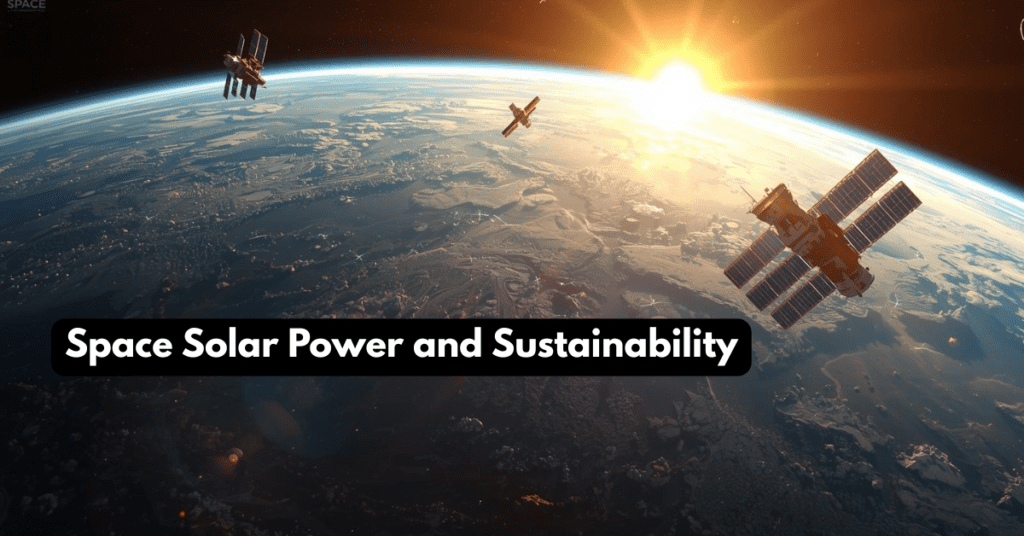
Sustainability is not just an Earth-based concern. Efficient energy use in space reduces mission costs, resource waste, and launch frequency. Centauri supports sustainable exploration by enabling:
- Reduced dependence on nuclear or chemical power sources
- Long-lasting renewable energy systems
- Lower mission risk and higher success rates
As space exploration becomes more commercialized, sustainable power solutions will define which missions succeed.
Why Centauri’s Role Is Significant
Centauri plays an important role by turning NASA-developed solar research into energy solutions that can actually be used in real space missions. Instead of focusing only on theory, the company prioritizes practical systems that are scalable, reliable, and ready for deployment in demanding space environments.
What makes Centauri stand out is its focus on long-term usability. Space missions require energy systems that can operate for years without maintenance, and Centauri’s work reflects this reality. By aligning advanced solar technology with mission-specific needs, the company helps reduce risk, improve efficiency, and extend mission lifespans.
Through its continued development of space solar power systems, Centauri is supporting satellites, exploration missions, and emerging space-based industries. This practical, forward-looking approach positions Centauri as a key contributor to the future of space infrastructure and sustainable space exploration.
The Future of Space Energy Systems
Looking ahead, NASA Space Solar Technology will likely play a major role in:
- Space-based manufacturing
- Orbital energy platforms
- Deep-space mining operations
- Interplanetary transportation systems
As humanity pushes further beyond Earth, reliable solar energy will be the foundation of every successful mission.
Final Thoughts
Energy has always been the backbone of space exploration, and the ability to generate reliable power ultimately defines how far missions can go and how long they can last. As exploration moves beyond short-term missions toward permanent presence in space, advanced energy solutions are no longer optional; they are essential.
NASA Space Solar Technology Centauri represents a powerful step forward by combining NASA’s proven research with Centauri’s practical, mission-ready engineering. This collaboration bridges the gap between innovation and real-world application, making it possible to deliver dependable solar energy in some of the most challenging environments known.
From powering satellites in orbit to supporting future lunar bases and Mars missions, this technology is helping create a future where space exploration is more efficient, sustainable, and ambitious. As humanity continues to push beyond Earth, reliable space solar energy will remain at the heart of every successful mission.