Modern military operations rely on energy systems that combine resilience, efficiency, and adaptability. You cannot afford interruptions in power for forward bases, mobile units, or autonomous platforms. Advanced defense energy solutions provide continuous electricity, reduce operational risks, and ensure mission success across multiple domains.
Solar technology and tactical power systems have become central to modern defense strategies. Radiation-hardened solar panels, smart microgrids, and portable battlefield power systems keep critical equipment running even in extreme environments. Military leaders increasingly prioritize energy independence as a key factor in operational readiness and strategic advantage.
AI-driven energy management and predictive power allocation are transforming how missions are executed. You can optimize energy use in real time, support autonomous platforms, and maintain secure communications networks. The integration of these solutions ensures forces remain agile, protected, and prepared for any contingency.
Tactical Advantages of Defense Energy Solutions
Modern military operations demand energy systems that ensure resilience, efficiency, and adaptability. You rely on defense energy solutions to maintain readiness across multiple domains. Tactical power systems provide uninterrupted electricity for forward operating bases, mobile units, and autonomous platforms. Military commanders prioritize energy reliability, knowing that mission success depends on continuous power availability.
Extending Mission Duration in Extreme Environments
Tactical power systems allow units to operate longer without resupply. Portable solar units, battery storage, and microgrid integration reduce dependence on fuel convoys. You can maintain critical operations even in deserts, arctic regions, or remote islands. Extending mission duration directly increases operational flexibility and readiness, giving forces an edge in both offensive and defensive scenarios.
Reducing Operational Vulnerabilities
Energy independence minimizes risks associated with fuel transport and grid reliance. Traditional convoys are high-value targets in conflict zones, and each mission carries inherent danger. Deploying battlefield power systems reduces exposure to ambushes or supply disruptions. You can secure both personnel and critical equipment, maintaining mission continuity under adverse conditions.
Enhancing Operational Agility Through Energy Optimization
Smart energy management systems optimize power allocation for mission-critical systems. AI-driven monitoring ensures that UAVs, communication networks, and sensors remain fully operational at all times. You can dynamically adjust power use based on current demands, reducing waste and maximizing efficiency. Operational agility improves as forces can redeploy rapidly without worrying about energy shortages.
Military Solar Technology in Action
Military solar technology has moved from experimental applications to core mission-critical infrastructure. You see installations across bases like Fort Bragg and Camp Lejeune, where solar arrays maintain operations even when external grids fail. Radiation-hardened solar technology ensures reliability in combat zones and extreme conditions, from desert heat to arctic cold.
Forward-deployed units benefit from portable solar solutions. Lightweight solar blankets and foldable panels power communication equipment, navigation tools, and sensors, increasing operational flexibility.
The Marine Corps Expeditionary Energy Office demonstrated systems that provide continuous power during movement, allowing squads to sustain intelligence and command functions for extended periods.
Microgrid integration adds strategic value. Smart military microgrids coordinate multiple power sources, including solar arrays, conventional generators, and battery storage, to balance load and maximize energy efficiency.
These systems detect anomalies, automatically reroute power, and maintain operations in the event of a threat. You can explore more about the critical defense technologies that support such energy systems.
AI and Energy Intelligence Integration
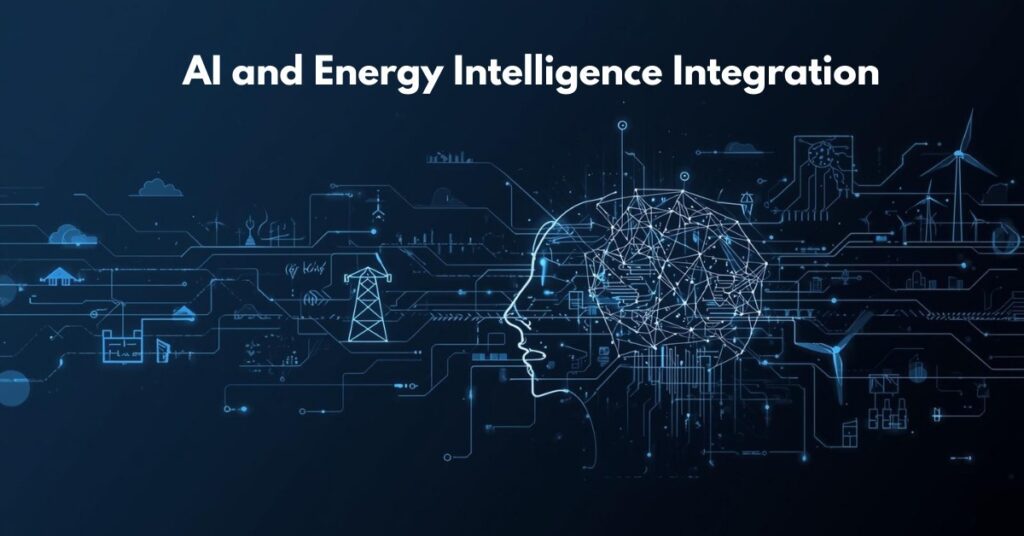
Artificial intelligence transforms how energy systems operate on the battlefield. You benefit from predictive power management, which anticipates energy demands and allocates resources in real time. Autonomous drones, robotic platforms, and sensor networks rely on AI-driven energy intelligence to extend operational reach while minimizing human risk.
Real-time monitoring of tactical power systems allows you to detect faults before they compromise missions. Integrated AI systems evaluate energy flow, identify potential overloads, and optimize battery usage to ensure uninterrupted performance.
Secure energy networks protect sensitive data and communications, maintaining command integrity even in contested environments.
Energy intelligence also supports rapid mission adaptation. When operational conditions change, AI dynamically adjusts energy distribution, ensuring that critical systems receive priority. You can learn more about innovations in space technology that leverage AI for energy management and mission efficiency.
Multi-Domain Energy Systems
Defense operations span land, sea, air, and space. You require energy systems that function reliably across all domains, ensuring mission success regardless of environment. Advanced tactical power systems and solar technology provide the resilience needed for modern multi-domain operations.
Naval and Submarine Power Solutions
Naval fleets rely on integrated microgrids and radiation-hardened solar technology to maintain vessel operations during extended missions. Submarines benefit from autonomous energy systems that ensure stealth and operational efficiency in deep-sea environments. You can explore specialized power generation solutions designed for extreme maritime and planetary applications that extend mission endurance.
High-Altitude and Arctic Mission Energy Reliability
Energy systems for high-altitude reconnaissance and Arctic deployments must handle extreme cold, low oxygen, and unpredictable weather. Thermal-regulated batteries and AI-driven power distribution maintain functionality for life-support, sensors, and communications. Tactical energy solutions ensure continuous operation, allowing units to execute missions in remote and harsh environments.
Energy Support for Space-Based Operations
Space platforms, satellites, and orbital sensors depend on autonomous energy systems to remain operational around the clock. Solar arrays combined with smart storage solutions ensure uninterrupted power even in periods of low sunlight. You can integrate advanced defense energy technologies into space missions, improving mission reliability and supporting strategic objectives.
Strategic and Tactical Benefits of Modern Power Systems
Integrating advanced energy solutions provides both tactical and strategic advantages. Portable and silent power systems reduce detectability in sensitive operations. You gain flexibility for covert missions while minimizing reliance on fuel logistics, lowering both operational risk and cost.
Energy independence strengthens national security. Military bases equipped with solar arrays and microgrids can maintain critical functions during natural disasters, cyberattacks, or grid failures. You can examine power generation solutions for planetary operations that illustrate the strategic value of autonomous energy systems in extreme environments.
Renewable defense energy also aligns with sustainability goals. Bases deploying solar and microgrid technologies reduce carbon emissions, cut operational costs, and build resilient energy frameworks. These initiatives demonstrate that environmental responsibility and operational efficiency reinforce each other in modern military operations.
Future Innovations in Defense Energy
Emerging technologies are shaping the next generation of military energy systems. Quantum-optimized energy solutions, AI-driven power management, and next-generation solar storage promise extended operational capability. You can see practical applications in defense-grade power transformers that support critical loads under extreme conditions.
Military research emphasizes integrating energy systems with autonomous platforms. UAVs, unmanned maritime vehicles, and robotics benefit from extended endurance through optimized energy management. Flexible solar arrays and portable microgrids allow units to adapt to dynamic mission requirements with minimal downtime.
Space-based solar power represents the frontier of defense energy innovation. Projects explore transmitting solar energy from orbit to forward-operating bases, reducing dependency on terrestrial infrastructure. You can read more about advanced space-based defense solutions that highlight the role of energy in operational autonomy.
The future of defense energy solutions combines intelligence, autonomy, and resilience. You can leverage insights from centauricorp.us for understanding how integrated energy systems support both terrestrial and extraterrestrial defense operations. Innovations in tactical power systems, radiation-hardened solar technology, and battlefield energy intelligence will continue to redefine military readiness and operational effectiveness.
Final Words
Modern military missions need strong and reliable energy to stay safe and successful. New defense energy systems, like solar power, batteries, and smart microgrids, help soldiers work longer, move faster, and stay protected in tough places. With AI technology, power can be managed better, so important tools like drones and communication systems never lose energy.
As the world changes, the military is using cleaner and smarter power options. These systems lower risks, save fuel, and keep bases running even during emergencies. Future energy technology, like space-based solar and advanced storage systems, will make missions even stronger.
In simple words, better energy means better defense. With the right power solutions, troops can stay ready, complete missions safely, and protect the nation today and in the future.
People also ask
What are advanced defense energy solutions?
Energy systems like solar, microgrids, and battery storage that power military missions reliably in harsh and remote environments.
Why is energy important for military operations?
Reliable energy keeps communication, drones, vehicles, and bases running, helping missions continue without interruptions.
How does AI help in defense energy systems?
AI manages power use in real time, prevents overload, and ensures critical devices always receive energy.
What benefits do solar systems provide for the military?
Solar cuts fuel dependence, reduces convoy risks, works in remote areas, and supports long mission duration.
Can modern energy systems work in extreme conditions?
Yes. Tactical solar, smart batteries, and microgrids are built to survive heat, cold, storms, and high-pressure environments.