Utility scale solar development is one of the key pillars in the global energy transformation. Large-scale solar projects are being implemented at an unprecedented rate as governments, utilities, and industries move away from fossil fuels. The challenges of modern utility-scale solar development are more complex than just installing more panels over vast land areas.
Grid instability, efficiency loss, storage limitations and transmission bottlenecks have all exposed the limitations of conventional solar development models. The future of utility-scale solar development will be shaped by advanced energy research, which integrates solar innovations, artificial intelligence and next generation storage with smarter grid infrastructure.
Understanding Utility Scale Solar Development
Utility-scale solar development is a term used to describe large solar power plants that are designed to produce electricity for the grid, rather than individual homes or buildings. These installations can cover hundreds of thousands of acres, and provide power to industrial users, national grids, and utilities.
Utility scale projects, unlike distributed solar systems must operate in complex energy networks. These projects are expected to provide consistent outputs, to respond to fluctuations in demand and to integrate with infrastructure that has been designed for decades to support centralized fossil-fuel generation.
As deployment increases globally, it has become clear that traditional approaches to utility scale solar development are no longer sufficient to meet future energy needs.
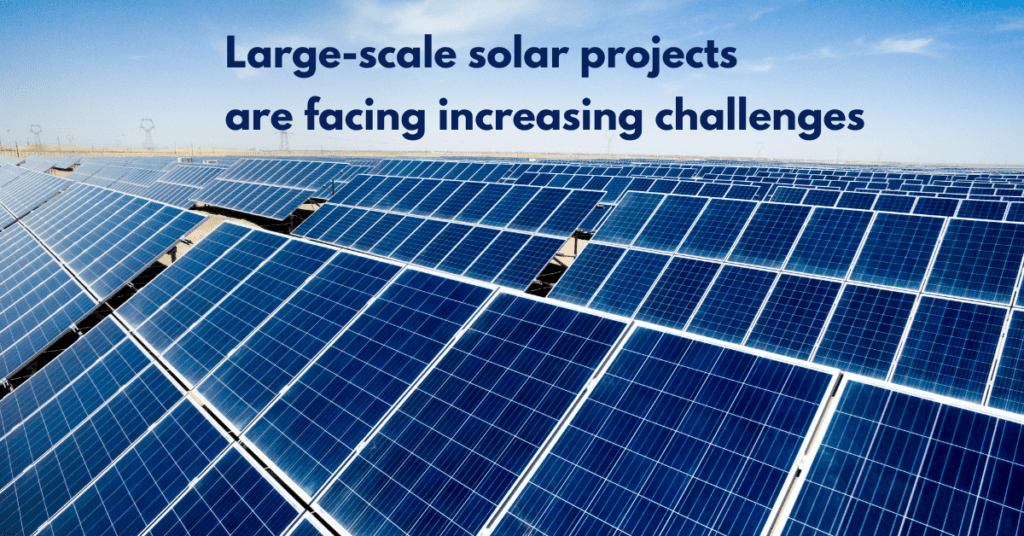
While solar technology has advanced significantly over the past decade, large-scale deployment has introduced new technical and operational challenges.
One major issue is intermittency. Solar generation depends on sunlight, which varies by time of day, season, and weather conditions. Managing these fluctuations at the grid scale requires advanced forecasting, storage solutions, and real time system coordination.
Transmission is another major hurdle. Many utility scale solar installations are located far from urban centers, requiring long-distance power transmission. Energy losses, grid congestion, and aging infrastructure can reduce overall efficiency and reliability.
There is also the issue of scalability. As solar penetration increases, grids must handle higher volumes of decentralized power without compromising stability. This demands new approaches to grid intelligence, automation, and self-healing networks.
These challenges highlight why utility scale solar development is no longer just a matter of physical infrastructure. It is increasingly a research-driven endeavor.
Why advanced energy research is more important than ever
The shift toward research-driven solutions has led organizations focused on advanced energy research, such as Centauri Renewable Corp, to explore how solar efficiency, intelligent grids, and next-generation power systems can support the long-term success of utility scale energy infrastructure.
Research into advanced photovoltaic material aims to improve efficiency, durability and performance in extreme conditions. High-efficiency panels can reduce the amount of land required for a project and increase its overall economics.
Research on energy storage is also important. The next-generation batteries and other storage technologies help to smooth out the intermittency. This allows solar power to be readily available not only when the sun shines, but also when it is most needed.
Advanced research in artificial intelligence (AI) and data analytics, beyond hardware, is revolutionizing the management of energy system. AI-driven models are able to predict demand, optimize the flow of power, detect faults, and dynamically balance the supply across large networks.
These innovations redefine what is possible for utility-scale solar development.
Artificial Intelligence and Modern Solar Infrastructure
Artificial intelligence has become a cornerstone of next generation energy systems. In utility scale solar development, AI enables smarter, more resilient grids capable of adapting to real-time conditions.
AI-powered energy management systems analyze vast amounts of data from weather forecasts, generation assets, transmission lines, and consumption patterns. This allows operators to anticipate fluctuations and adjust output or storage usage accordingly.
Predictive maintenance is another key application. AI can identify early signs of equipment degradation, reducing downtime and extending asset lifespan. This is particularly valuable for large installations where manual monitoring is inefficient and costly.
As utility scale solar projects continue to grow in size and complexity, AI-driven control systems are becoming essential rather than optional.
Grid Innovation and the Future of Transmission
Transmission infrastructure is often the weakest link in large scale solar deployment. Many grids were not designed to accommodate high levels of renewable energy flowing from remote locations.
Advanced energy research is addressing this challenge through innovations in transmission materials, grid architecture, and automation. Concepts such as high efficiency conductors, intelligent substations, and self healing grids are gaining traction.
Companies that are driven by research are exploring ways to integrate energy resources distributed more seamlessly. This will allow solar, storage, and other renewables to work as coordinated systems, rather than isolated assets.
This systems-level approach is critical for the long-term success of utility scale solar development.
Energy Transition and Research Driven Companies
Energy transition is being shaped more and more by organizations who focus on long-term system design, research, innovation and longer term deployment, rather than just short-term deployment.
By exploring the interactions between solar energy, storage, grids and emerging technologies, companies engaged in advanced research can contribute to utility-scale solar development. They provide the technical foundation necessary to scale renewable energies responsibly.
Research focused firms such as Centauri Renewable Corp are helping advance utility scale solar development by exploring how advanced solar technologies, AI driven grids, and next generation power systems can support large scale energy infrastructure.
Rather than replacing traditional developers, these organizations enhance the entire value chain by pushing the boundaries of what solar energy systems can achieve.
The Long Term Prospects for Utility Scale Solar Development
Utility-scale solar development is expected to remain an important component of sustainable energy strategies as global energy demand increases. Its future success is dependent on more than just capacity expansion.
Intelligence, resilience and integration will define the next phase of growth. Solar systems will be more efficient, flexible, and aligned to complex grid requirements as a result of advanced energy research.
From AI driven energy management to advanced transmission systems and innovative storage solutions, research is redefining how solar power is generated, delivered, and consumed at scale.
Utility scale solar development is no longer just about building bigger projects. It is about building smarter energy systems for a rapidly evolving world.
Conclusion
The shift from utility-scale solar to residential development is a reflection of a wider shift in the way societies view energy infrastructure. Solar power is moving from the margins of energy systems to the center. This makes the importance of energy research more apparent.
Research-driven innovation is addressing the technical, operational, and systemic challenges that accompany large-scale deployment. By integrating advanced solar technologies, artificial intelligence, and next-generation grid solutions, the future of utility-scale solar development is becoming more resilient, efficient, and intelligent.
As the energy transition accelerates, it is this research-led approach that will determine how effectively solar power supports sustainable growth in the decades ahead.